State-imposed restrictions spark national debate over collective punishment
In a move that has ignited public outrage and legal scrutiny, Niger’s Interior Ministry has implemented sweeping measures targeting the Mohamid community, raising urgent questions about the state’s authority to impose collective sanctions. A radio directive, issued on October 7, 2026, and reported as actively enforced, has triggered the closure of schools, restriction of water access, disruption of healthcare services, and the suspension of civil documentation for members of the Arab ethnic group. The unfolding crisis is not merely an administrative decision—it is a test of Niger’s commitment to justice, equity, and the fundamental rights of all its citizens.
The mechanics of exclusion: what the directives entail
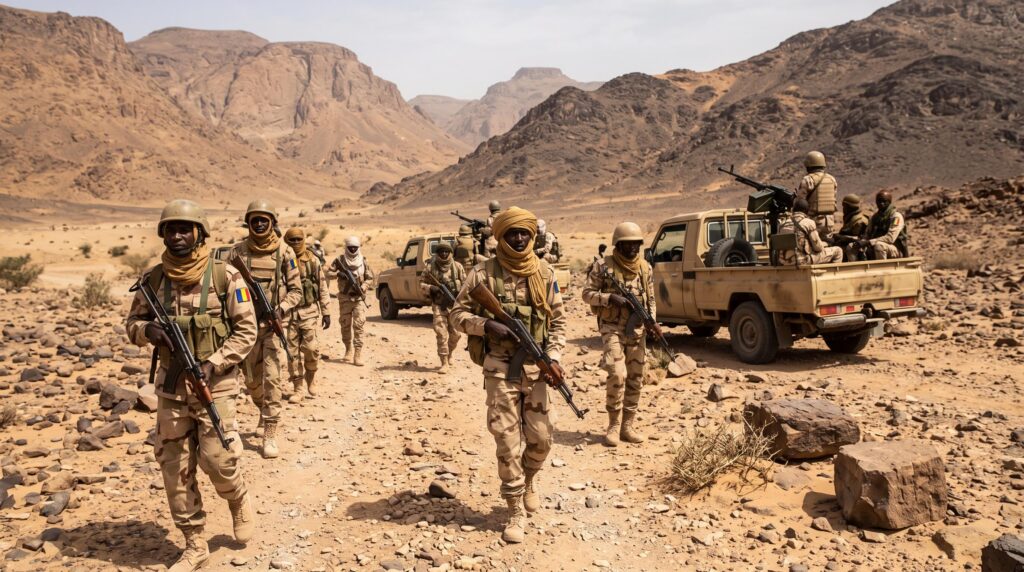
The October directive, attributed to the Ministry of Interior, mandates immediate action across Zinder and Diffa regions. Schools serving Mohamid populations have been shuttered, while water pumps and boreholes designated for their use are being decommissioned. Healthcare subsidies for the community have been revoked, and authorities have initiated the withdrawal of national identity cards and passports previously issued to its members. Security forces have been mobilized to enforce these measures, transforming a policy debate into a lived reality for thousands.
Educational disruptions threaten a generation
Children in affected communities now face an uncertain future as schools shut their doors. Education, a cornerstone of individual development and societal progress, has been weaponized in what critics call a punitive campaign. With attendance records at risk of being erased and long-term academic futures hanging in the balance, the psychological and social toll on students and families is incalculable.
Water and healthcare: lifelines under threat
Access to clean water—a basic human necessity in Niger’s arid Sahel climate—has been deliberately compromised. For pastoralist communities like the Mohamid, whose livelihoods depend on livestock, the closure of boreholes and water points is devastating. Similarly, revoked healthcare subsidies threaten to push families into precarious health conditions, particularly those already struggling with poverty and remote living conditions.
Administrative limbo: identity papers under siegeIdentity documents are the key to unlocking rights—voting, property ownership, travel, and legal protection. The withdrawal of national identity cards and passports without individualized legal justification is not just bureaucratic overreach; it is an existential crisis for those affected. Without these documents, individuals risk statelessness, exclusion from public services, and permanent marginalization.Security vs. discrimination: where does Niger draw the line?
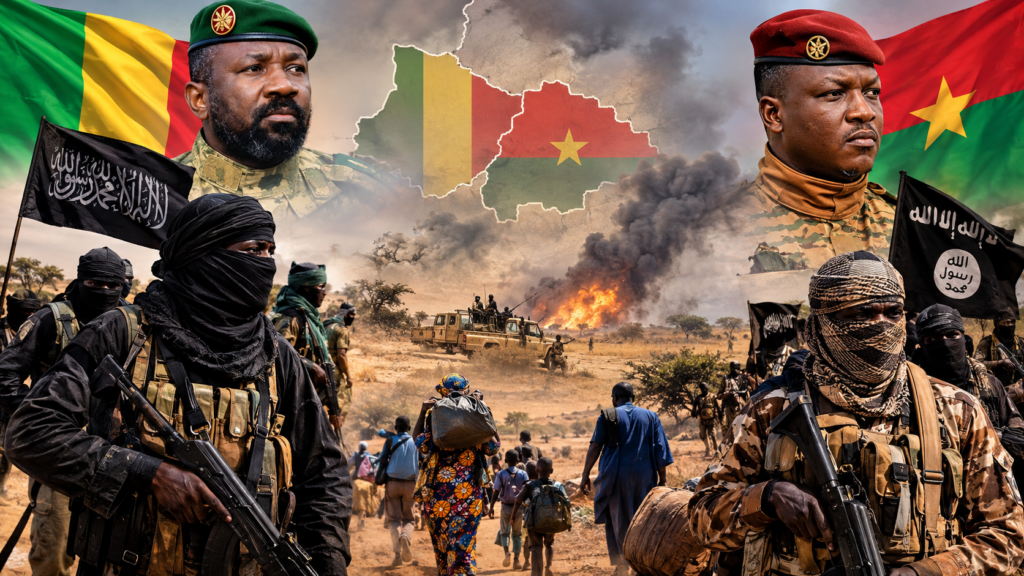
Niger faces real threats from armed groups operating in the Diffa region, where trafficking and insurgency activities have destabilized communities. However, combating insecurity does not authorize the wholesale punishment of an entire ethnic group. Legal accountability must remain individual, not collective. If criminal activity is suspected within the Mohamid community, due process must prevail: evidence must be gathered, investigations conducted, and convictions secured through the courts—not through administrative edicts.
Critics argue that the government’s approach conflates ethnicity with criminality, a dangerous precedent that undermines social cohesion and fuels resentment. Can a state claim to protect its citizens while systematically stripping them of their rights based solely on ancestry? The answer will determine whether Niger’s institutions uphold the rule of law or surrender to punitive excess.
A regime under scrutiny: rising authoritarianism in post-coup Niger
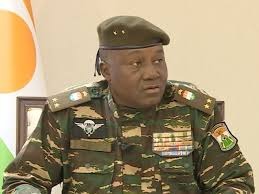
Since the July 2023 military takeover that ousted President Mohamed Bazoum, Niger has been governed by the National Council for the Safeguard of the Homeland, led by General Abdourahamane Tiani. Under this regime, the space for dissent has narrowed significantly. Political parties have been dissolved, civil society organizations restricted, and journalists faced with arbitrary arrests. Earlier this year, the government revoked the nationality of opposition figures, a move criticized for its lack of due process and potential to render individuals stateless.
While the Mohamid case differs in scope from targeted political crackdowns, it reflects a broader pattern: the use of administrative power to restrict fundamental rights without transparent justification or legal recourse. Critics warn that such measures, even when framed as security operations, erode public trust and set dangerous precedents for future governance.
Human cost meets economic ripple effects
The impact of these measures extends beyond individual hardship. The Mohamid community contributes significantly to local economies through trade, transportation, and livestock rearing. Disrupting their access to education, water, and documentation undermines regional stability and economic vitality. Markets shrink, families fall into poverty, and the social fabric frays under the weight of state-imposed isolation.
Moreover, the psychological toll cannot be ignored. Fear, mistrust, and a sense of betrayal by the state are reshaping community dynamics, breeding resentment and potentially fueling further instability. Can a nation truly defend itself when its own policies deepen divisions instead of fostering unity?
What comes next? Pathways to justice and accountability
For the Mohamid community and Niger’s broader society, the road ahead is fraught with challenges. But it is also ripe with opportunity—for reasserting the primacy of justice over expediency, for demanding transparency from authorities, and for mobilizing both legal and civic action.
Civil society groups and legal advocates are calling for an immediate review of the directives. Schools must reopen, water access must be restored, and healthcare subsidies reinstated without delay. Identity documents should only be revoked through individualized legal proceedings, not blanket administrative orders. An independent inquiry into the directive’s enforcement, its origins, and its consequences is essential to hold decision-makers accountable.
The crisis facing the Mohamid people is not theirs alone—it is a national reckoning. Niger’s international standing, its internal stability, and the dignity of its citizens all hang in the balance. The question now is whether the state will choose to govern with justice or continue down a path of exclusion that risks unraveling the very fabric of the nation.
Collective punishment: a stain on sovereignty
No government can claim legitimacy while wielding power to punish entire communities for acts committed by a few. Sovereignty does not grant the right to strip citizens of their rights arbitrarily. It is time for Niger’s authorities to confront the moral and legal implications of their actions. The world is watching—and the future of a nation is at stake.